First recorded a century after it is said to have taken place, the legend of the founding of Phnom Penh tells of a local woman, Penh (commonly referred to as Daun Penh (Grandmother Penh/Old Lady Penh) in Khmer),
living at the chaktomuk, the future Phnom Penh. It was the late 14th
century and the Khmer capital was still at Angkor near Siem Reap 350 km
(220 mi) to the west. Gathering firewood along the banks of the river,
Lady Penh spied a floating koki tree in the river and fished it from the
water. Inside the tree she found four Buddha statues and one of Vishnu
(the numbers vary on different tellings.)
The discovery was taken as a divine blessing, and to some a sign that
the Khmer capital was to be brought to Phnom Penh from Angkor. To house
the new found sacred objects, Penh raised a small hill on the west bank
of the Tonle Sap River and crowned it with a shrine, now known as Wat
Phnom at the north end of central Phnom Penh. 'Phnom' is Khmer for
'hill' and Penh's hill took on the name of the founder, i.e. Phnom Duan
Penh, and the area around it became known after the hill - Phnom Penh.
Phnom Penh first became the capital of Cambodia after Ponhea Yat, king of the Khmer Empire, moved the capital from Angkor Thom after it was captured and destroyed by Siam a few years earlier. There is a stupa behind Wat Phnom that house the remains of Ponhea Yat and the royal family as well as the remaining Buddhist statues from the Angkorean era. In the 17th century, Japanese immigrants also settled on the outskirts of present-day Phnom Penh.[8] A small Portuguese community survived in Phnom Penh until the 17th century, undertaking commercial and religious activity in the country.
Phnom Penh remained the royal capital for 73 years—from 1432 to 1505.
It was abandoned for 360 years—from 1505 to 1865—by subsequent kings
due to internal fighting between the royal pretenders. Later kings moved the capital several times and established their royal capitals at various locations in Tuol Basan (Srey Santhor), Pursat, Longvek, Lavear Em and Oudong.
It was not until 1866, under the reign of King Norodom I (1860–1904) the eldest son of King Ang Duong,
who ruled on behalf of Siam, that Phnom Penh became the permanent seat
of government and capital of Cambodia, and also where the current Royal Palace was built. Beginning in 1870, the French Colonialists
turned a riverside village into a city where they built hotels,
schools, prisons, barracks, banks, public works offices, telegraph
offices, law courts, and health services buildings. In 1872, the first
glimpse of a modern city took shape when the colonial administration
employed the services of a French contractor Le Faucheur, to construct
the first 300 concrete houses for sale and rental to the Chinese traders.
By the 1920s, Phnom Penh was known as the Pearl of Asia, and over the next four decades Phnom Penh continued to experience rapid growth with the building of railways to Sihanoukville and Pochentong International Airport (now Phnom Penh International Airport). Phnom Penh's infrastructure saw major modernisation under the rule of Sihanouk.[9]
During the Vietnam War, Cambodia was used as a base by the North Vietnamese Army and the Viet Cong,
and thousands of refugees from across the country flooded the city to
escape the fighting between their own government troops, the NVA/NLF,
the South Vietnamese and its allies, and the Khmer Rouge. By 1975, the population was 2-3 million, the bulk of whom were refugees from the fighting.[10] The Khmer Rouge cut off supplies to the city for more than a year before it fell on April 17, 1975.[6]
Reports from journalists stated that the Khmer Rouge shelling "tortured
the capital almost continuously," inflicting "random death and
mutilation" on millions of trapped civilians.[11] The Khmer Rouge forcibly evacuated the entire city after taking it, in what has been described as a death march:
Francois Ponchaud wrote that "I shall never forget one cripple who had
neither hands nor feet, writhing along the ground like a severed worm,
or a weeping father carrying his ten-year old daughter wrapped in a
sheet tied around his neck like a sling, or the man with his foot
dangling at the end of a leg to which it was attached by nothing but
skin";[12]
John Swain recalled that the Khmer Rouge were "tipping out patients
from the hospitals like garbage into the streets....In five years of
war, this is the greatest caravan of human misery I have seen."[13]
All of its residents, including the wealthy and educated, were
evacuated from the city and forced to do difficult labour on rural farms
as "new people".[14] Tuol Sleng High School was taken over by Pol Pot's forces and was turned into the S-21
prison camp, where people were detained and tortured. Pol Pot sought a
return to an agrarian economy and therefore killed many people perceived
as educated, "lazy", or political enemies. Many others starved to death
as a result of failure of the agrarian society and the sale of
Cambodia's rice to China in exchange for bullets and weaponry. The
former high school is now the Tuol Sleng Genocide Museum, where Khmer Rouge torture devices and photos of their victims are displayed. Choeung Ek (The Killing Fields),
15 kilometers (9 mi) away, where the Khmer Rouge marched prisoners from
Tuol Sleng to be murdered and buried in shallow pits, is also now a
memorial to those who were killed by the regime.
The Khmer Rouge were driven out of Phnom Penh by the Vietnamese in 1979,[15]
and people began to return to the city. Vietnam is historically a state
with which Cambodia has had many conflicts, therefore this liberation
was and is viewed with mixed emotions by the Cambodians. A period of
reconstruction began, spurred by the continuing stability of government,
attracting new foreign investment and aid by countries including
France, Australia, and Japan. Loans were made from the Asian Development Bank and the World Bank to reinstate a clean water supply, roads and other infrastructure. The 1998 Census put Phnom Penh's population at 862,000;[16] and the 2008 census was 1.3 million.
Sunday, July 3, 2016

PHNOM PENH
Phnom Penh is the capital and most populous city of Cambodia. Located on the banks of the Tonlé Sap and Mekong River, Phnom Penh has been the national capital since French colonization of Cambodia, and has grown to become the nation's center of economic and industrial activities, as well as the center of security, politics, cultural heritage, and diplomacy of Cambodia.
Once known as the "Pearl of Asia," it was considered one of the loveliest French-built cities in Indochina[4] in the 1920s. Phnom Penh, along with Siem Reap and Sihanoukville, are significant global and domestic tourist destinations for Cambodia. Founded in 1434, the city is noted for its beautiful and historical architecture and attractions. There are a number of surviving French colonial buildings scattered along the grand boulevards.
Situated on the banks of the Tonlé Sap, Mekong and Bassac rivers, the Phnom Penh metropolitan area is home to about 2.2 million[1] of Cambodia's population of over 14.8 million, up from about 1.9 million in 2008.
Phnom Penh (literally, "Penh's Hill") takes its name from the present Wat Phnom ("Hill Temple"). Legend has it that in 1372, a wealthy widow named Lady Penh found a Koki tree floating down the Tonle Sap river after a storm.[6] Inside the tree were four bronze Buddha statues and a stone statue of Vishnu. Daun Penh ordered villagers to raise the height of the hill northeast of her house and used the Koki wood to build a temple on the hill to house the four Buddha statues, and a shrine for the Vishnu image slightly lower down. The temple became known as Wat Phnom Daun Penh, which is now known as Wat Phnom, a small hill 27 metres (89 ft) in height.
Phnom Penh's official name, in its short form, is Krong Chaktomok meaning "City of Four Faces". Krong Chaktomuk is an abbreviation of the full name which was given by King Ponhea Yat, Krong Chaktomuk Mongkol Sakal Kampuchea Thipadei Sereythor Inthabot Borei Roth Reach Seima Maha Nokor This loosely translates as "The place of four rivers that gives the happiness and success of Khmer Kingdom, the highest leader as well as impregnable city of the God Indra of the great kingdom.
Geography:
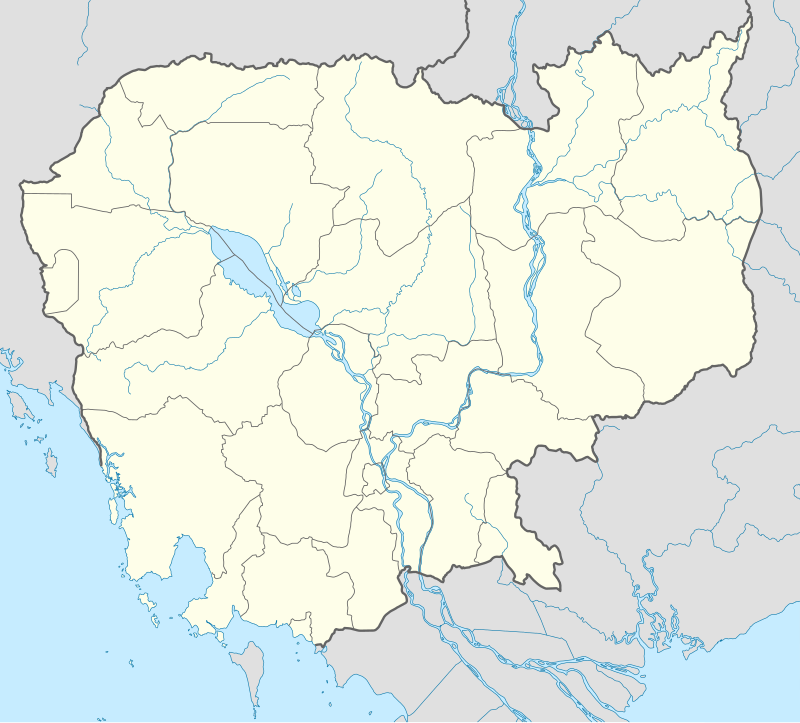
Phnom Penh is located in the south-central region of Cambodia, and is fully surrounded by the Kandal Province. The municipality is situated on the banks of the Tonlé Sap, Mekong, and Bassac rivers. These rivers provide freshwater and other natural resources to the city. Phnom Penh and the surrounding areas consist of a typical flood plain area for Cambodia. Although Phnom Penh is situated at 11.89 metres (39 ft) above the river, monsoon season flooding is a problem and the river sometimes overflows its banks.
The city, located at 11.55°N 104.91667°E (11°33' North, 104°55' East),[18] covers an area of 678.46 square kilometres (262 sq mi), with some 11,401 hectares (28,172 acres) in the municipality and 26,106 hectares (64,509 acres) of roads. The agricultural land in the municipality amounts to 34.685 square kilometres (13 sq mi) with some 1.476 square kilometres (365 acres) under irrigatigation.
Sunday, June 19, 2016
សិល្ប៍វិធីក្នុងការនិយាយ
ទាំងនេះគីជាសិល្ប៍វិធីក្នុងការនិយាយខ្លះៗដែលខ្ញុំលើកមកសរសេរៈ
១.ការនិយាយរាក់ទាក់(បង្កើនភាពស្និទស្នាល)
២- ការដាក់ខ្លួន ដាក់កាយ
៣- ពូកែស្តាប់ ពូកែនិយាយ
៤- ភាសា “កាយវិការ”
៥- សម្តីបើកចំហ
៦-ប្រែសត្រូវឲ្យក្លាយជាមិត្ត
៧-វិធីលើកសរសើរ
៩- កុំរអ៊ូរទាំច្រើនពេក
១០- មិនគួរប្រើសម្តីបន្ទាបបន្ថោកជាន់ឈ្លីអ្នកដទៃ
១១- វិធីនិយាយពង្វាង
១២- កុំវាយប្រហារត្រង់ៗពេក
១៣- ការរិះគន់ដាស់តឿន
១៤- កុំនិយាយឲ្យគេអាម៉ាស់ ឬឈឺចាប់
១៥- មិននិយាយពីអ្វី ដែលគេមិនចូលចិត្ត
១៦- បែងចែកអាក្រក់ និងល្អ
១៧- ស្វែងយល់ពីស្ថានភាពអ្នកស្តាប់
១៨- “សុំទោស” និង “អរគុណ”
១៩- “ពាក្សមិនពិត” ត្រូវប្រើតែក្នុងបំណងល្អប៉ុណ្ណោះ
២០- “យកចិត្ត” តែ “កុំស៊ីជោរ »
២១- “ល្អឡើងរិល” ដូរឲ្យ “ល្អឡើងវិញ »
២២- ការលួងលោម
២៣- ការលើកទឹកចិត្ត
២៤- តិចនិចក្នុងការសួរ
២៥- “អ្នកឆ្លាតធ្វើល្ងង់”
២៦- មិនគួរនិយាយជ្រែក ឬនិយាយកាត់
២៧- ការនិយាយបន្ទន់ចិត្ត
២៨- វិធីស្ងៀមជាងស្រដី
២៩- ទាញអារម្មណ៍ឲ្យចូលធ្លុងគ្នា
៣០- មហិទ្ឋិឫទ្ឋិខ្លាំងស៊ីពាល
៣១- បង្ហាញពីសន្តានចិត្ត
៣២- វិធីចាញ់ជាព្រះឈ្នះជាមារ
៣៣- កូនចៅ និងចៅហ្វាយ
៣៤- ក្បាច់រុញស៊ីក្លូបញ្ចូលឡាន
៣៥- និយាយក្នុងចំណោមមហាជន
៣៦- វិធីបង្កើនស្នេហ៍មុខ
page of Khmer website
ទំព័រវែបសាយខ្មែរ
វែបសាយព្រះពុទ្ធសាសនាខ្មែរ
- www.sansochea.org
- http://dhamma4khmer2.org
- http://www.khmerbuddhism.ca
- http://watkhemararatanaram.org
- http://bacambodia.org
- http://buddhistacademyofpuc.org
- http://watkhemararatanaram.org
- http://www.khmerbuddhism.ca
- http://www.watrajaboradio.org
- http://www.dhamma.org
- http://www.hoksavann.org
- http://www.tipitaka.org/khmer
- www.dap-news.com
- www.cen.com.kh
- www.kspg.co
- www.postkhmer.com
- www.khmer.rfi.fr
- www.voanews.com/khmer/news/
- www.thmeythmey.com
- www.kpt-news.com
- www.ksn-news.com
- http://news.sabay.com.kh/
- http://www.khmerload.com/
- http://www.khmernow.com/
- www.camhr.com
- www.cra.com.kh
- www.12findjob.info
- http://moviekhmer.com/
- http://khmer2all.com/
- http://video4khmer.com/
- http://www.muzik-online.net/
- http://www.khmerdl24.com/
- http://khmerclips.net/
- http://www.kpopkalip.com/
ទំព័រសុភាសិតខ្មែរ
ដូចចាក់ទឹកលើក្បាលទា
អត្ថាធិប្បាយ
នេះជាពាក្យដែលគេតែងនិយាយសំដៅទៅលើមនុស្សខ្លះដែលខ្វះការវាងវៃមិនចេះស្តាប់ មិនចេះចាប់សំដីរបស់គេឲ្យបាន។
មនុស្សមួយជំពូក មានការលំបាកក្នុងរឿងស្តាប់ គឺថាទោះបីគេខំពន្យល់ពីរឿងតូចមួយ យ៉ាងណាក៏ដោយក៏នៅតែស្តាប់មិនបាន នៅតែច្របូកច្របល់ នៅតែត្រឡប់ត្រឡិន ។
រឿងខ្លះទៀត ដែលជារឿងបច្ចេកទេសជ្រៅៗទាក់ទងនឹងគ្រឿងម៉ាស៊ីនទាក់ទងមេឃផ្កាយ ទាក់ទងអាកាសធាតុ។ល។ គឺជារឿងសម្រាប់មនុស្សដែលមានការចេះដឹងខ្លះៗទើបអាចស្តាប់ចាប់បាននូវការពន្យល់ ។ តែបើគេយករឿងទាំងនេះទៅពន្យល់ចំពោះមនុស្ស ដែលមិនធ្លាប់រៀនសូត្រនៅសាលាសោះ គេមុខជាខកចិត្តមិនខាន។ព្រោះហេតុអ្វី? ព្រោះអ្នកស្តាប់ទាំងនោះ មិនអាចចាប់នូវអត្ថន័យ ឬ សាច់រឿងដែលយើងពន្យល់នោះទេ ។ ក្នុងបញ្ហាបែបនេះ គេតែងពោល ថា " ដូចចាក់ទឹកលើក្បាលទា " ។ មានន័យថា " គ្មានជាប់អ្វីសោះឡើយ"។ បើចង់ធ្វើពិសោធមើល គេអាចយកទឹកមួយកូនធុង រួចជះទៅលើក្បាលទាមួយហ្វូង ។ សង្កេតមើល តើឃើញទឹកសូម្បីមួយតំណក់ ជាប់នៅក្បាលទា ឬ ទេ?
អត្ថាធិប្បាយសុភាសិតខ្មែរ
១.សងបំណុលចាស់ ២.បុលបំណុលថ្មី ៣.បោះក្នុងជ្រោះជ្រៅ ៤.កប់ក្នុងផែន
អត្ថាធិប្បាយ
នេះជាពាក្យប្រៀនប្រដៅរបស់បុព្វរបុសខ្មែរ ក្នុងរឿងរក្សាទ្រព្យដែលយើងរកបានមកជាពិសេសគឺសំដៅទៅលើរឿង«លុយកាក់» ។
តាមក្បូនជីវិត បុព្វបុរសខ្មែរណែនាំថាលុយកាក់ដែលយើងរកបានមកត្រូវបែងចែកជា៤ ចំណែកដូចតទៅនេះ ៖
១-សងបំណុលចាស់:ជាចំណែកមួយសម្រាប់ថែរក្សាមាតាបិតាចាស់ជរាលែងធ្វើការអ្វីកើតព្រោះគាត់បានថែរក្សាចិញ្ចឹមយើងចាប់ពីថ្ងៃ"ពពោះ"រហូតដល់ថ្ងៃរៀបអាំពាហ៏ពិពាហ៏ឬហួសពីពេលនេះទៅទៀត ។ រយះពេលដ៏យូរនេះគឺជា "គុណ"មួយដែលកូនទាំងឡាយបានជំពាក់ហើយត្រូវតែសងវិញ។ នេះគឺ ជាច្បាប់មនុស្សជាតិធ្វើឡើងដើម្បីផ្តល់សុខតៗគ្នា យ៉ាងនេះដរាបទៅ ។
២-បុលបំណុលថ្មី:ជាចំណែកមួយសម្រាប់ថែរក្សាចិញ្ចឹមកូនប្រុសស្រីដែលយើងបាបបង្កើតគេមក ។ ការថែរក្សាចិញ្ចឹមតម្រូវឲ្យមានការចំណាយធនធាន និងកម្លាំងអស់រយៈពេលដ៏យូរដូចយើងបានដឹងគ្រប់គ្នាហើយ ។
៣-បោះក្នុងជ្រោះជ្រៅ:ជាចំណែកមួយដែលត្រូវសន្សំទុកសម្រាប់ប្រើប្រាស់ ពេលវ័យចាស់ជរាមកដល់។បើមិនលៃទុករបៀបនេះទេ ជីវិតនឹងមានការ លំបាកវេទនាយ៉ាងច្រើននៅពេលដែលខ្លួនចាស់ ហើយត្រូវពឹងលើអ្នកឯទៀត (កូន) ទាំងស្រុង ។
៤- កប់ក្នុងផែនដី:ជាចំណែកមួយសម្រាប់កិច្ចការខាង "សង្គមកិច្ច " ដែលតម្រូវឲ្យមានការចំណាយក្នុងផ្នែកផ្សេងៗ មានជាំអាទិ៍ ដូចតទៅនេះ ៖
- បុណ្យទានទាក់ទងផ្លូវសាសនា ដែលញាតិមិត្រឬ អ្នកជិតខាងបានហៅរកយើងឲ្យទៅចូលរួម ។
- ការកសាងសំណង់អ្វីមួយសម្រាប់ប្រយោជន៏សាធារណៈ (មន្ទីរពេទ្យ សាលារៀន មន្ទីរបណ្តុះវិជ្ជា មន្ទីរស្រាវជ្រាវ សាលាសំណាក់ ។ល។
នេះគឺជាករណីយកិច្ច របស់មនុស្សម្នាក់ៗ ក្នុងការថែរក្សាគុណសម្បត្តិ មនុស្សឲ្យឋិតថេរចីរកាល តទៅឥតមានពេលអវសាន។ ព្រោះហេតុអ្វី? ព្រោះដើម្បីសេចក្តីសុខ ចំពោះយើងទាំងអស់គ្នា នៅពេលចាស់ជរាពេលមានវិបត្តិ ពេលអាសន្ន ។ល។ ដែលមនុស្សរាល់រូបតែបានទទួល ។
Tuesday, June 7, 2016


Monday, June 6, 2016

history of several country in Asia

- Khmer Rouge (category History of Cambodia/Kampuchea)Graham; French for "Red Khmer") were a Stalinist, Maoist militant group in Cambodia. They took over the capital, Phnom Penh, on 17 April 1975. It was led by1 KB (210 words) - 22:01, 10 March 2016
- Democratic Kampuchea (redirect Cambodian Holocaust)Democratic Kampuchea was the official name of Cambodia/Kampuchea from 1976 to January 1979, during the Khmer Rouge Years, though the international community1 KB (187 words) - 02:37, 4 April 2016
- First Indochina War (category History of Cambodia/Kampuchea)protectorates of Laos and Cambodia. The French reoccupied Indochina after the Second World War. The territory had been part of the Empire of Japan before8 KB (725 words) - 14:29, 26 June 2015
-
of Kyrgyzstan History of Mongolia History of Uzbekistan History of Turkmenistan History of Cambodia History of Indonesia History of Laos History of Malaysia7 KB (953 words) - 17:46, 7 January 2016
-
Cambodia at the Olympics is a history which includes 8 games in 8 countries and 40+ athletes. Since 1983, athletes of Cambodia have been part of the2 KB (152 words) - 20:22, 6 April 2016
-
Thailand. About 13 million people live in Cambodia. The people of Cambodia are called Cambodians or Kampucheans. Khmer is the official language. The country17 KB (1,191 words) - 17:30, 16 March 2016
-
History is the study of past events. People know what happened in the past by looking at things from the past, including records (like books, newspapers4 KB (529 words) - 06:47, 10 March 2016
- Pol Pot (category Cambodian people)leader of Cambodia between 1975 and 1979. He was the leader of a group called the Khmer Rouge, a group of peasant revolutionaries who turned Cambodia into6 KB (906 words) - 10:24, 13 March 2016
- Thailand (redirect History of Thailand)
 tʰāj] ( listen)), is a country in Southeast Asia. Its neighbours are Laos, Cambodia, Malaysia, and Myanmar. The country's name was Siam until June 24 193915 KB (885 words) - 12:42, 19 May 2016
- Mekong River (category Rivers of Cambodia)in the south-eastern part of the continent of Asia. It flows through the countries of China, Burma, Thailand, Laos, Cambodia, and finally Vietnam. The6 KB (248 words) - 20:57, 28 July 2013
-
long-form name of the country is the Socialist Republic of Vietnam. The neighboring countries of Vietnam are China, Laos, and Cambodia,. Vietnam is the
 17 KB (1,538 words) - 18:51, 26 April 2016
 - Malta at the Olympics (section History)MLT Malta at the Olympics is a history which began in 1928. The International Olympic Committee's official abbreviation for Malta was MAT. It is now1 KB (121 words) - 17:26, 6 April 2016
- Nepal at the Olympics (section History)NEP Nepal at the Olympics is a history which began in 1963. The International Olympic Committee's official abbreviation for Nepal is NEP. Nepal has1 KB (120 words) - 23:33, 18 July 2014
- Haiti at the Olympics (section History)HAI Haiti at the Olympics is a history which began at the 1924 Summer Olympics in Paris. The International Olympic Committee's official abbreviation1 KB (115 words) - 14:56, 12 March 2013
-
northwest, by Vietnam to the east, by Cambodia to the south, and by Thailand to the west. The Mekong river forms a large part of the western boundary with Thailand10 KB (556 words) - 17:26, 16 March 2016
-
its various forms has existed in South Asia, China, Japan, Tibet, Korea, Cambodia, Burma, Indonesia and Mongolia. Norbu, p. 49 White (2000), p. 7 Avalon3 KB (320 words) - 05:27, 9 March 2015
- Ecuador at the Olympics (section History)the IOC in 1959. List of IOC country codes "Official abbreviations" at The Games of the XVIII Olympiad, Tokyo, 1964, [p. 9 of 409 PDF]; retrieved 2012-8-161 KB (86 words) - 14:43, 12 March 2013
-
at the Olympics is a history which began in 1931. The International Olympic Committee's official abbreviation for the region of the Netherlands Antilles3 KB (316 words) - 14:57, 12 March 2013
- Congo at the Olympics (category Republic of the Congo)Congo at the Olympics is a history which includes 11 games in 10 countries and 60+ athletes. Since 1964, athletes of the Congo have taken part in the2 KB (206 words) - 16:50, 6 April 2016
- Namibia at the Olympics (section List of medalists)Olympics is a history of which includes six games in six countries and 34 athletes. Since 1991, sportsmen of Namibia have taken part the growth of the "Olympic2 KB (136 words) - 17:35, 6 April 2016


Monday, May 30, 2016
សំណួរជីវិតទាំង៧ ដែលអ្នកត្រូវរកចម្លើយឲ្យខ្លួនឯងមនុពេលឈានដល់វ័យ ៣០ឆ្នាំ
១ ប្រសិនបើខ្ញុំស្លាប់នៅថ្ងៃស្អែក
តើខ្ញុំមានអារម្មណ៍ពេញចិត្តនិងជីវិតខ្ញុំនៅពេលនេះឬទេ?
អ្នកត្រូវចាំតាគ្មានពាក្យស្ដាយក្រោយឡើងក្ងុងជីវិតមនុស្សដើម្បីចាប់ផ្ដើមសារជាថ្មីពេលអ្នកបរាជ័យហេតុដូចនេះ
អ្នកត្រូវចេះផ្លាស់ប្តូរខ្លួនឯងចាប់ពីថ្ងៃនេះតទៅ។
ប្រសិនបើអ្នកមិនពេញចិត្តនិងជីវិតខ្លួនពេលនេះទេ អ្នកត្រូវតែ
ចំណាយពេលគិតឡើងវិញពីរបៀបដែលអ្នកប្រើប្រាស់់ពេលវេលាខ្លួនឯង ព្រោះវាគ្មានអ្វីជាក់លាក់ឡើងនៅក្នុងជីវិតមនុស្ស។
២ តើអ្វីជាភារកិច្ចដ៏មានតម្លៃរបស់ខ្ញំដែលត្រូវធ្វើ ?
នេះអាចជាសំណួរសំខាន់មួយសម្រាប់ជីវិតជាយុវវ័យរបស់អ្នកគតើឥឡូវអ្នកអាចធ្វើអ្វីបានខ្លះដើម្បីជាប្រយោជន៍។នៅក្នុងអាជីវកម្មវិញតើអ្វីដែលអ្នកចង់បង្កើតឲ្យក្លាយចារបស់ផ្ទាល់ខ្លួនអ្នកហើយវាមានតម្លៃប៉ុណ្ណា?នៅពេលដែល
អ្នកអាចរកឃើញនូវអ្វីដែលជាលក្ខណៈពិសេសរបស់អ្នកឬទេពកោសល្យរបស់អ្នកនោះអ្នកនិងក្លាយជាអ្នកជំនួយពិតប្រាកដ។
៣ តើនុរណាជាអ្នកដែលជំរុញទឹកចិត្តខ្ញុំខ្លាំងជាងគេ?
អ្នកត្រូវចេះគិតដល់បុគ្គលជោគជ័យមួយណា មេដឹកនាំមួយណាសហគ្រិនរូបណា ដែលអ្នកស្រលាញ់ខ្លាំង
ជាងគេ ហើយ ចង់ក្លាយខ្លយនដូចពយកគេ ត្រូវចេះស្វែងយល់ពីជីវិតពួកគេ បទពិសោធន៍ មកធ្វើជាគំរូ
ផ្ទាល់ខ្លួនអ្នក ដើម្បីផ្ដល់ក្ដីសង្ឃឹមឲ្យខ្លួន
ដើម្បីបន្ដចាប់យកក្ដីស្រមៃរបស់ខ្លួន។
៤ ហេតុអ្វីបានជាខ្ញុំត្រូវក្រោកនាពេលព្រឹកព្រលឹម?
នេះជាការរំលឹកអ្នក តើអ្វីជាគោលបំណងរបស់អ្នក ដែលត្រូវតែតម្រូវឲ្យភ្ងាក់ពីព្រលឹម។ចម្លើយសម្រាប់សំណួរនេះក៏មិនងាយស្រួលឆ្លើយនោះដែរ
ប៉ុន្ដែអ្នកនៅតែមានគោលបំណងច្បាស់លាស់នៅក្នុងខ្លួន នៅពេល
ដែលអ្នកមើលឃើញពីគោលបំណងនិងមើលឃើញពីខ្លួនឯងកាន់តែ ច្រើន អនុភាពដ៏អស្ចារ្យ ជាច្រើនកំពុង
រង់ចាំអ្នក។
៥
តើខ្ញុំចំណាយពេលវេលាប៉ុន្មានក្នុងមួយថ្ងៃដើម្បីសិក្សា?
អ្នកត្រូវចេះកត់ត្រាខ្លួនឯងតើអ្នកបានរៀនអ្វីខ្លះនៅថ្ងៃនេះ ហើយអ្នកចំណាយបពេលប៉ុន្មានដើម្បីរៀនវា។
៦ តើអ្នកណាដែលខ្ញុំគួរស្រលាញ់ ហើយ តើខ្ញុំបានប្រាប់គេ ឬ បង្ហាញឲ្យឃើញថាខ្ញុំស្រលាញ់គេយីតពេលឬទេ?
អ្នកមិនត្រូវរំពឹងថាមនុស្សដ៏ទេយល់ពីអារម្មណ៍របស់អ្នកឡើយសូប្បីតែមិត្តភ័ក្ដិនិងគ្រួសារពេលខ្លះពយកគេមិនអាចយល់ពី
អរម្មណ៍របស់អ្នកនោះទេ។
អ្នកត្រូវតែចេះបង្ហាញឲ្យពួកគេឃើញថាអ្នក ស្រលាញ់ពួកគេប៉ុណ្ណា បារម្ភពីពួកគេប៉ូណ្ណា។
៧ តើអ្វីទៅជានិយនន័យនៃពាក្យជោគជ៍តសម្រាប់ខ្ញុំ?
នេះជាំសំណួរមួយដែលអាចធ្វើឲ្យជីវិតមនុស្សគ្រប់រូបមានការផ្លាស់ប្ដូរព្រោះនៅពេលដែលអ្នកអាចកំណត់
និយមន័យឲ្យខ្លួនឯងហើយ នោះវាជាមគ្គុទេសក៏មួយជួយនាំផ្លូវអ្នកក្នុងការបង្កើតការសម្រេចចិត្តធ្វើអ្វីប្រកប
ដោយភាពត្រឹមត្រូវ។
Subscribe to:
Comments (Atom)
មនុស្សយើងចម្លែក
ទាល់តែស្លាប់ទៅហើយទើបគេរំលឹកពីរឿងល្អៗដែលខ្លួនធ្លាប់ធ្វើ។ ទាល់តែស្លាប់ទៅហើយទើបមានអ្នកប្រាប់ថាអាណិត ស្រលាញ់។ ទាល់តែស្លាប់ទៅហើយទើបមានអ្នកយំស្ដាយ...

-
 ទាល់តែស្លាប់ទៅហើយទើបគេរំលឹកពីរឿងល្អៗដែលខ្លួនធ្លាប់ធ្វើ។ ទាល់តែស្លាប់ទៅហើយទើបមានអ្នកប្រាប់ថាអាណិត ស្រលាញ់។ ទាល់តែស្លាប់ទៅហើយទើបមានអ្នកយំស្ដាយ...
 -
ទាំងនេះគីជាសិល្ប៍វិធីក្នុងការនិយាយខ្លះៗដែលខ្ញុំលើកមកសរសេរៈ ១.ការនិយាយរាក់ទាក់(បង្កើនភាពស្និទស្នាល) ២- ការដាក់ខ្លួន ដាក់កាយ ៣- ពូកែ...
-
Phnom Penh is the capital and most populous city of Cambodia . Located on the banks of the Tonlé Sap and Mekong River , Phnom Penh has be...
